



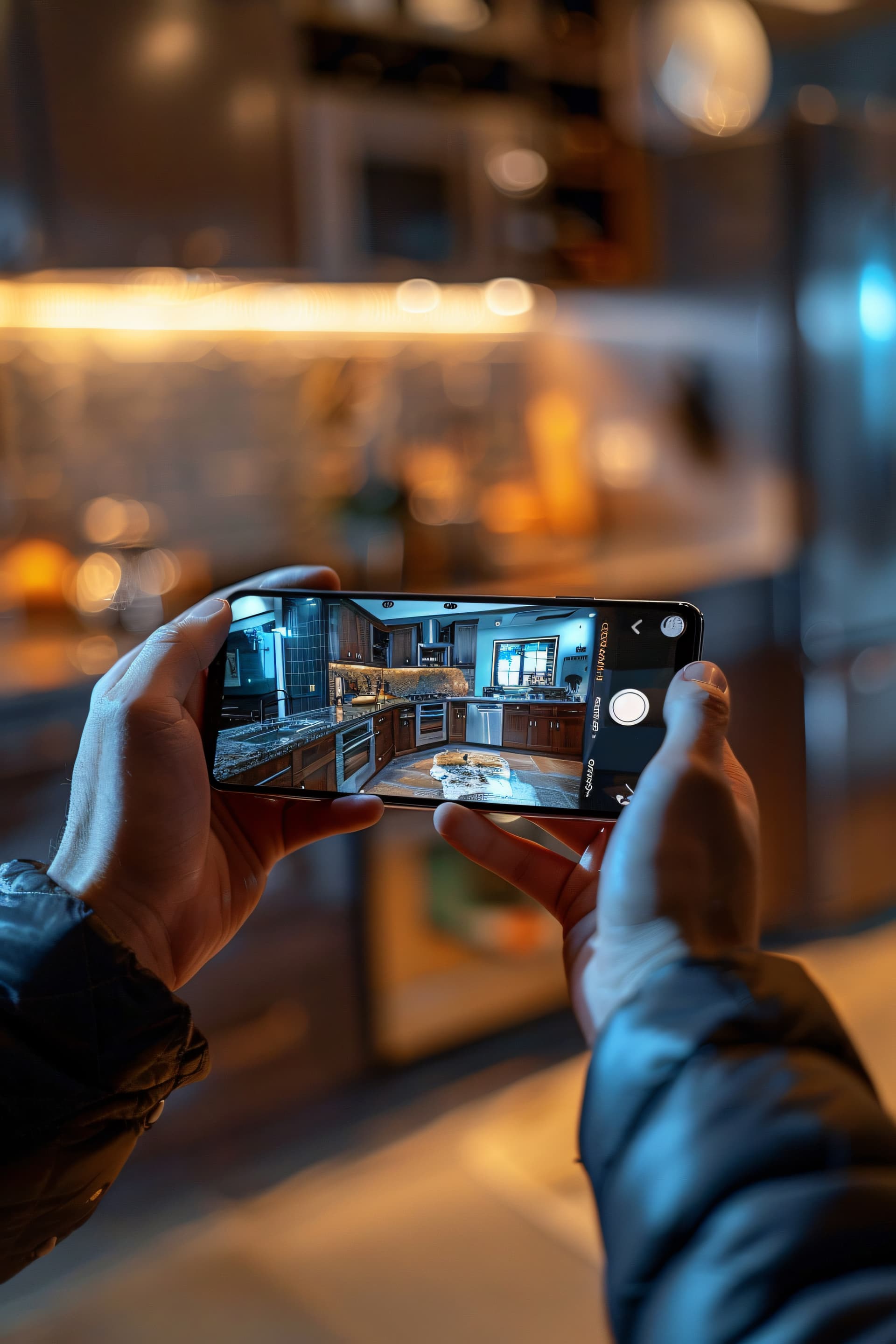
Smart lighting, thermostats, locks and cameras can make your home safer and more efficient. Here's how to plan a smart home that works together instead of a pile of separate apps.
The most common smart home mistake is buying devices one at a time, each with its own app. A better approach is to decide what you want the home to do first — feel more secure, save energy, or simplify daily routines — and choose devices that work together on a common platform.
Good starting points are smart locks and doorbells for security, smart thermostats for comfort and energy savings, and lighting that can follow schedules or turn on when motion is detected. Cameras and alarm sensors can be added to the same system so you can check on your home and receive alerts from one app.
Automation is where a smart home really pays off: scenes such as 'away' that lock the doors, turn off lights and adjust the heating with one tap, or routines that wake the house up in the morning. A reliable Wi-Fi network and professional setup keep everything responsive and secure.
Plan around what you want your home to do, then choose devices on one platform — that's what turns separate gadgets into a true smart home.